Sub-zero temperatures, freezing rain, slush, and heavy road salt punish every mechanical system in your car. Winter weather thickens engine fluids, drains battery voltage, and robs standard tire compounds of their grip.
If you wait for the season's first storm to inspect your car, you risk dead batteries, sliding through intersections, and waiting hours for an emergency tow truck.
Taking proactive steps before the temperature drops transforms winter driving from an unpredictable hazard into a safe, controlled routine.
Here is why preparing early protects your wallet and how you can get your vehicle in peak shape for the cold months ahead.
Why Prepping Early Pays Dividends
Winterizing your vehicle can deliver savings almost immediately after the temperature falls:
- Shorter Stopping Distances on Ice: Standard all-season tires will become stiff and hard below 7°C. Certified winter tires feature special compounds that stay pliable in extreme cold, allowing the tread to bite into ice and hard-packed snow. This flexibility cuts braking distances dramatically when you must stop suddenly.
- No-Start Prevention: Extreme sub-zero temperatures sap up to 50% of your 12-volt battery's cranking capacity while simultaneously demanding thicker engine oil to turn over. Testing your electrical system in the autumn eliminates the panic of a dead engine on a freezing morning.
- Chassis and Body Longevity: De-icing brine and rock salt cling to undercarriages, brake calipers, and rocker panels. Regular protective coatings and timely underbody flushes block oxidation before rust stains your exterior or seizes parts of your suspension.
- Uncompromised Active Safety: Advanced driver-assistance suites—like automated emergency braking, adaptive cruise control, and lane-keep assist—rely on forward-facing camera arrays and front-grille radar plates. Winter prep ensures clear sensor lenses and proper calibration so your active safety tech can detect obstacles through blowing flurries.
Must-Schedule Professional Winter Services
Book these vital maintenance procedures early to beat the seasonal shop rush:
|
Recommended Service
|
What the Technician Performs
|
Your Direct Driving Advantage
|
|
Seasonal Tire Swap, Balance & Alignment
|
Mounts 4 winter tires, verifies remaining tread depth (minimum 4.8 mm), balances wheels, and squares wheel alignment.
|
Eliminates steering wheel vibration at highway speeds, corrects alignment pull caused by potholes, and guarantees uniform road traction.
|
|
Battery Load & Diagnostic Test
|
Analyzes Cold Cranking Amps (CCA), tests charging output from the alternator, and cleans corrosive acid build-up from terminals.
|
Guarantees rapid, reliable starts on sub-zero mornings and prevents sudden battery failure.
|
|
Comprehensive Brake Service
|
Removes salt and road grit, cleans caliper sliders, lubricates moving hardware, and inspects pad thickness.
|
Prevents seized calipers and uneven rotor scoring, delivering smooth, balanced stopping power on slick pavement.
|
|
Cold-Weather Fluid Flush & Fill
|
Fills with low-viscosity synthetic engine oil (e.g., 0W-16 or 0W-20), tests coolant freeze protection down to -35°C, and checks brake fluid moisture levels.
|
Ensures immediate oil circulation during cold starts, stops the radiator core from freezing, and keeps your cabin heater blowing hot.
|
|
HVAC & Defrost Inspection
|
Replaces old cabin air filters, inspects the blower fan motor, and checks rear defroster grids.
|
Clears condensation and frost off windshield glass rapidly, ensuring unobstructed 360-degree road views.
|
|
Protective Undercarriage Wash
|
Sprays a high-pressure underbody rinse to strip road salt deposits from wheel arches, brake lines, and frame rails.
|
Stops road chemical corrosion from damaging raw steel components underneath your vehicle.
|
Smart Winter Purchases and Cold-Weather Upgrades
Equip your car with durable accessories engineered to withstand harsh Canadian winter conditions:
- Dedicated Winter Wheels and Rims: Mount your winter tires on dedicated steel or painted alloy wheels. This setup shields your premium summer rims from corrosive salt pitting and prevents the bead damage that happens when technicians dismount and remount bare tires twice every year.
- Enclosed Beam Winter Wiper Blades: Standard frame wipers trap packed snow inside their metal skeleton, causing uneven pressure and wide, dangerous streaks across your sightline. Beam-style winter blades encase the arm in a flexible rubber boot that pushes heavy slush aside effortlessly.
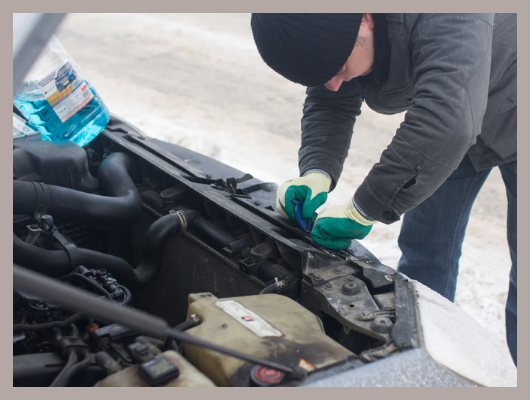
- Sub-Zero Rated (-40°C) Washer Fluid: Warm-weather bug wash freezes immediately when sprayed onto a freezing windshield at highway speeds. Keep high-performance winter de-icing fluid in your reservoir to cut through dry salt residue instantly.
- High-Wall Rubber Floor Liners: Deeply contoured all-weather floor trays channel melting snow, mud, and road grime away from vehicle carpets. They prevent foul damp smells and stop permanent white salt rings from ruining your interior upholstery.
- Engine Block Heater Cord or Battery Blanket: If you park outdoors during prolonged deep freezes, plug in an engine block heater. It keeps the coolant warm, lowers engine wear during start-up, and brings your cabin heater up to temperature in half the time.
- Emergency Trunk Safety Kit: Stash an emergency duffel containing heavy-gauge booster cables or a lithium-ion jump starter pack, a folding snow shovel, traction aids or coarse sand, warm gloves, a high-visibility LED torch, emergency thermal blankets, and a sturdy ice scraper.
- Dealership Tire Storage Service: Eliminate the headache of loading filthy, heavy wheels into your clean back seat every November and April. Many dealerships offer secure, temperature-controlled tire hotel services that store your off-season set until spring changeover time arrives.
Special Considerations: Hybrids, EVs, and All-Wheel Drive
- Electric and Hybrid Powertrains: Cold air slows down high-voltage battery chemistry, which temporarily decreases driving range. Use your vehicle's companion smartphone app to preheat the cabin while connected to your wall charger. Preconditioning draws power directly from the electrical grid, preserving your battery range for the highway commute.
- All-Wheel Drive (AWD) Configurations: AWD accelerates effectively in slippery conditions, but it does not help you stop any faster. Keep equal tire tread depths across all four positions to avoid straining your brakes, and have our experts inspect rear differential fluid to ensure the best results.
Schedule Your Pre-Winter Inspection Today
Don't wait for the temperature to plunge below zero.
Schedule your seasonal maintenance and swap your tires before the annual rush, and rest easy knowing your vehicle is ready for whatever winter throws your way.